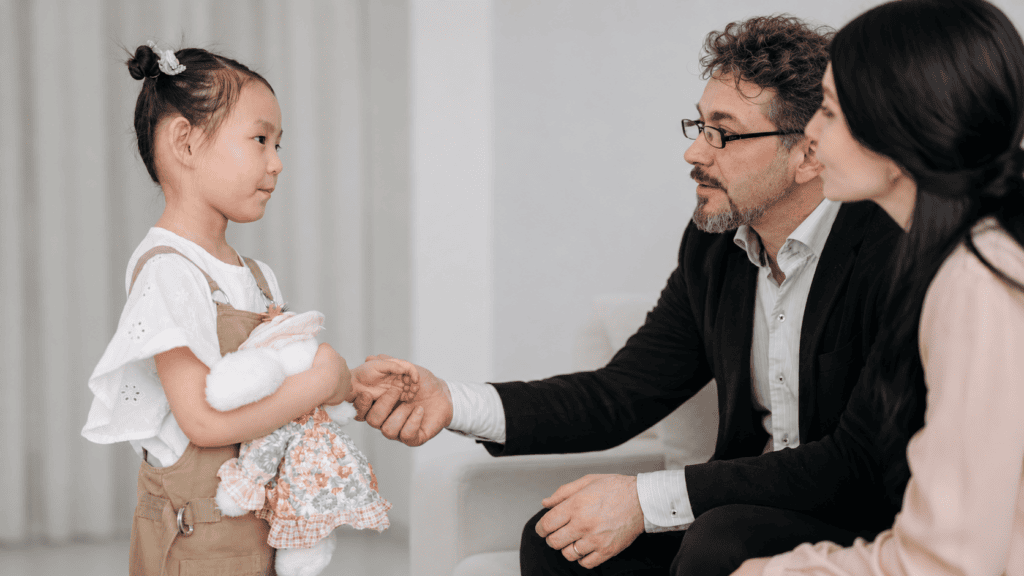
Children may or may not ask about where they came from. You may want to bring it up yourself, or you might be surprised by your child’s questions about their family. Either way, here are a few tips for telling your preschooler they are adopted.
- You can help immerse the children in other adoptive families. Have a get-together with other families who have adopted children. You can do this through the adoption agency that connected you with the child. You can create a meetup on meetup.com or join a Facebook group for families who have adopted children.
- Normalize the word adoption. The sooner, the better. Normalize how families are created and how diverse families are. Explain to them that families are built by love. Here is an animal kingdom analogy that helps children understand.
How to make adoption easy to understand
Did you know that the animal kingdom has all kinds of different families? Sometimes a little duckling hatches from a mommy bird’s egg and stays with her. But sometimes, a little baby fox cub needs a home, and a big, loving mama bear adopts him into her family!
The mama bear cares for the fox cub, protects him, and feeds him big-kid snacks like she would any other baby. They don’t look exactly the same, and they started out in different places, but they are a real, true family because they love each other so much.
- Use the terms birthmother or, better yet, “Tummy Mommy”. Never call the birthmother “your real mother” or “your other mother.”
- Make it a bedtime story or talk about it during a low-stress moment. Do not make it a big deal for them. Again, we are trying to normalize being adopted for them, and if we make it a big moment, it gives children the feeling that being adopted is shocking or bad.
- Try to keep the conversation brief. Children do not have long attention spans.
- Remind your child of their strengths; say something like, “You were so big when you came home with us and eating so well. You were big and strong when you came home with us.”
Children react differently to information and do not process information the same way that adults do. Some children respond to this information with indifference. They might go back to what they were doing or change the subject entirely. Let the conversation flow and do not try to keep bringing it back to the topic of the adoption. It’s okay if the child doesn’t respond with questions, as this is how they process the information. Sometimes they need a couple of days to process the information. It can also be brought up at a later time. The important thing is to normalize the word adoption and what family is.
Stay tuned to our website for more on adoption services. As a person who is a part of an adopted family and have experience working with adults and teens who have been adopted by their parents, this is an area of passion for me. I also specialize in working with children and teens who are neurodivergent. If you have any inquiries you can reach out to me through the Avedian Counseling website.
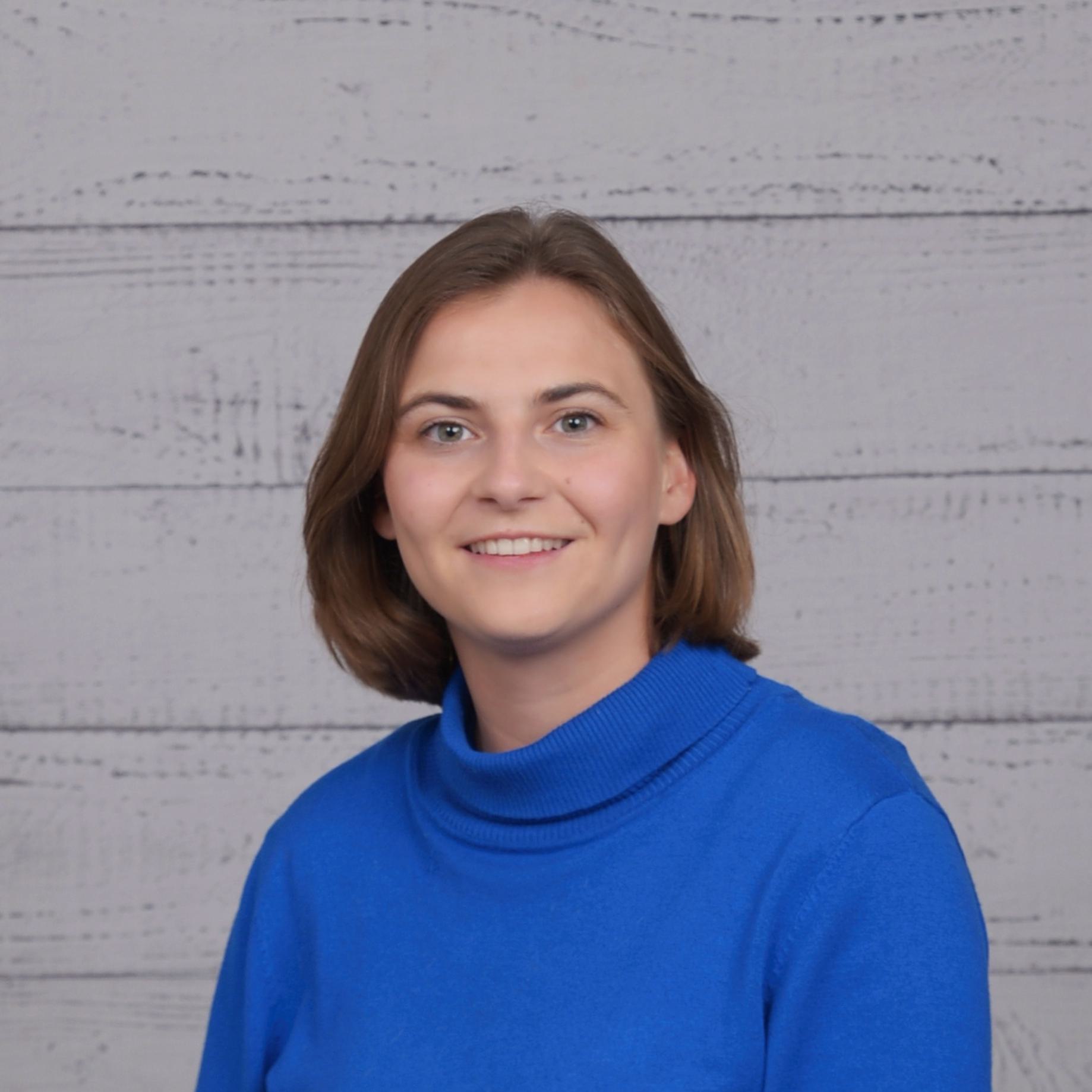
Sasha Kleinman is a dedicated Registered Associate Marriage and Family Therapist who works with individuals, couples, and families seeking support through trauma, grief, relationship challenges, anxiety, and feeling out of alignment with the world around them. Her approachable style helps clients feel at ease as they explore their emotional experiences and move toward healing. Sasha practices under the supervision of Silva Depanian, LMFT (MFC#121864). Sasha offers therapy sessions in person at the Sherman Oaks and Woodland Hills offices, as well as via telehealth throughout California.