
Working with couples is one of the most rewarding, and one of the most complex, experiences in the therapy room. Unlike individual therapy, where you hold space for one person’s inner world, couples therapy asks you to hold space for two. Two belief systems. Two communication styles. Two histories. And two very different ideas about what love is supposed to look and feel like. As a couples therapist of 16 years, I am passionate about understanding both partners separately, and how they are together.
One of the most powerful lenses we use to understand a couple’s dynamic is Attachment Theory, developed by British psychiatrist John Bowlby and later expanded by psychologist Mary Ainsworth. At its core, attachment theory is shaped around the following: the way we learned to connect with our earliest caregivers becomes the blueprint we carry into every relationship for the rest of our lives.
In other words, the way you love now is deeply shaped by how you were loved by your caregivers. It’s what each partner brings into the room. Before we can help a couple move forward, we have to understand what each person brings to the relationship — not just the complaints and the conflict, but the deeper belief systems, fears, and unmet needs that live underneath them.
A couple might come in arguing about who does the dishes, who spends too much, or who never listens. But what is almost always happening beneath the surface is something older and more tender: one partner who learned early on that their needs wouldn’t be met, and another who learned that love means never asking for too much.
This is why couples therapy isn’t just about communication strategies and conflict resolution, though those matter deeply. It’s about helping two people understand the invisible blueprint they each carry, and creating something new together from that understanding.
The three attachment styles in a relationship
When evaluating a couple through an attachment lens, we look at how each partner attaches to the other and how their early experiences shaped that attachment. Here is what each style tends to look like within a relationship.
Secure attachment
Emotionally independent, yet genuinely seeking closeness. Communicates needs directly, recovers from conflict more quickly, and approaches the relationship as a safe base rather than a battleground.
Anxious attachment
Craves connection but expresses it indirectly through hinting, withdrawal, or pursuing behaviors. Often rooted in childhood caregiving that was warm sometimes, and absent at others.
Avoidant attachment
Pulls away and shuts down during conflict, not from indifference, but from a deep fear of vulnerability. Distance is protection, not a lack of love. It can be easy to look at someone who pulls away and assume they simply do not care. But in my experience, the opposite is almost always true. The avoidant partner longs for closeness and intimacy just as much as their partner does, but somewhere along the way, often in a childhood where emotional expression was discouraged or punished, they learned that getting too close means getting hurt.
In couples therapy, helping the avoidant partner feel safe enough to lower their defenses, even just a little, can be transformative, not only for them, but for the entire relationship.
Creating a Corrective Experience When something different happens
One of the most meaningful things we can do with a couple is help them create what we call a corrective experience—a moment when the old pattern breaks. The anxious partner reaches for connection and it is actually met. Where the avoidant partner takes a risk and stays present.
• The anxious partner asks directly and receives the reassurance they needed
• The avoidant partner stays in the discomfort instead of leaving the room
• Two people who have been speaking past each other finally feel genuinely heard
These moments do not erase the past. But they begin to rewrite the blueprint. They send a new message to the nervous system such as, this relationship can be safe, my partner can be trusted, I do not have to keep protecting myself the same way I always have.
Attachment styles are not permanent labels. Through corrective emotional experiences, self-awareness, and intentional effort, individuals can develop more secure ways of connecting. The goal is not perfection, rather it is helping couples move from cycles of pursuing and withdrawing toward something more secure: a relationship where both partners feel genuinely seen, heard, and valued.
What this looks like in practice
In my work with couples, I often begin by helping each partner identify their own attachment style and reflect on the early experiences that shaped it. This is not about assigning blame to parents or the past, it is about developing compassion. Compassion for yourself, and compassion for your partner.
When a partner understands that their spouse’s emotional withdrawal is not rejection but fear, something shifts. When a partner recognizes that their own passive aggression is a misdirected attempt to ask for love, they can begin to ask more directly. This is the slow, meaningful work of couples therapy, and it is some of the most powerful work we know.
Relationships do not struggle because two people stopped loving each other. Most of the time, they struggle because two people with different blueprints for love are trying to build something together without a shared language.
Attachment theory gives us that language. It helps couples stop fighting about the surface and start understanding the depth. And in that understanding, something remarkable often becomes possible: not just a better relationship, but a more healed version of each person within it.
If you and your partner are navigating disconnection, recurring conflict, or the quiet ache of feeling unseen, couples therapy can help. You do not have to keep living by the blueprints you were handed. With the right support, you can build something new.
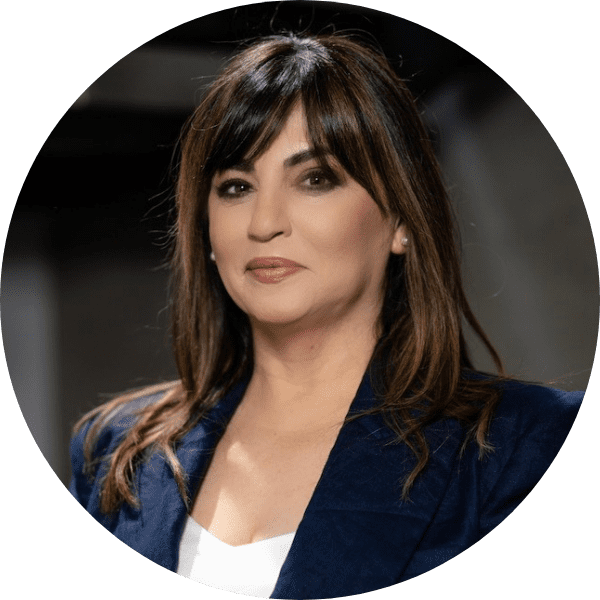
Chrys Gkotsi, LMFT, is a licensed Marriage and Family Therapist in Los Angeles, California, specializing in anxiety, anger, depression, abuse, loss, adjustment issues, personality disorders, and relationship problems. Fluent in Greek and German, she has six years of experience working with couples, teens, and individuals, with a deep understanding of cultural issues.
As an eclectic therapist, Chrys integrates Client-Centered and Attachment theoretical approaches to help clients find their inner selves, resolve emotional conflicts, and improve their quality of life. Her authentic and empathetic approach aids in healing emotional wounds, creating healthier attachments, and fostering fulfilling relationships.