
By Thomas Hughes, MD, and Esha Nushrat
When seeking treatment for anxiety, a question that may come up is what side effects and risks come with taking anti-anxiety medications, such as benzodiazepines. Commonly prescribed medications for anxiety include SSRIs, benzodiazepines, beta-blockers, and antihistamines. Non-medication treatments for anxiety include talk therapy, TMS, and Stellate Ganglion Blocks. In this blog post, we will discuss the addictive potential of anti-anxiety medications, the risk of physical dependence, and alternative treatments for anxiety.
Addiction vs. Physical Dependence
Before comparing medications, it helps to understand that addiction and physical dependence are not the same thing, even though the terms are often used interchangeably.
Physical dependence is a normal physiological adaptation. When you take certain medications regularly, your body adjusts to their presence. If you then stop suddenly, you may experience withdrawal or discontinuation symptoms as your body readjusts. Physical dependence can happen with many medications that are not addictive, including some antidepressants and blood pressure medications, and it does not mean someone is misusing a drug.
Addiction, on the other hand, is a medical condition characterized by compulsive drug use despite harmful consequences. Signs include strong cravings, loss of control over how much or how often a medication is taken, taking more than prescribed, and continuing to use the drug even when it is causing problems in relationships, work, or health.
A person can be physically dependent on a medication without being addicted to it, and the reverse is also possible. Some medications, such as benzodiazepines, can lead to both.
First Line of Treatment: SSRIs
Antidepressants, such as SSRIs, are usually prescribed first to help alleviate moderate to severe anxiety symptoms. SSRIs, or selective serotonin reuptake inhibitors, work by inhibiting the reuptake of serotonin, thereby increasing the body’s access to serotonin. SSRIs are not considered addictive, as they do not cause cravings or compulsive use. However, your body can become physically dependent on them, and stopping suddenly may cause discontinuation symptoms such as dizziness, nausea, irritability, or flu-like feelings. Therefore, when you are trying to stop taking SSRIs, it is important to taper off the medication under the guidance of your provider rather than stopping abruptly.
Commonly prescribed SSRIs include:
• Fluoxetine (Prozac)
• Sertraline (Zoloft)
• Paroxetine (Paxil)
• Fluvoxamine (Luvox)
• Citalopram (Celexa)
• Escitalopram (Lexapro)
For More Severe Cases of Anxiety: Benzodiazepines
For those struggling with more intense anxiety and needing short-term or rapid relief, benzodiazepines are prescribed. Unlike SSRIs, which can take weeks to take effect, benzodiazepines can relieve symptoms within minutes (https://www.goodrx.com/conditions/generalized-anxiety-disorder/benzodiazepine-treatment#what-are-benzos-).
Because benzodiazepines slow down (https://my.clevelandclinic.org/health/treatments/24570-benzodiazepines-benzos) your nervous system, they can be easy to misuse. This is because benzodiazepines very effectively dampen subjective feelings of anxiety, but only work for a short period of time. Some people find themselves needing to take the medication daily (due to its effectiveness), or multiple times per day (due to short-acting effects), which can encourage a growing reliance on the medication and, in some people, lead to addiction.
They are labeled as controlled substances. Controlled substances (https://www.cancer.gov/publications/dictionaries/cancer-terms/def/controlled-substance) are drugs or substances that are tightly regulated by the government because they may be abused or lead to addiction. However, the Drug Enforcement Administration (DEA) considers benzodiazepines to carry a low risk of dependence and addiction relative to other controlled substances, classifying them as Schedule IV drugs. The DEA classifies substances on a scale of I to V, with Schedule I substances posing the highest risk of abuse and Schedule V the lowest. When used responsibly/infrequently, their place on the schedule makes sense when compared to a substance like heroin.
Benzodiazepines are most likely to cause problems when taken daily or multiple times per day. Clinically, they are only supposed to be used in severe moments of high anxiety and are prescribed as needed. When people take these medications frequently, their bodies develop a tolerance, leading to the need for higher doses to achieve the same effects. With regular use, the body can also become physically dependent on them. Unlike with many other medications, withdrawal from benzodiazepines can cause death by seizure, so they should never be stopped suddenly without medical supervision. They can also cause respiratory depression if mixed with alcohol or opiates.
Commonly prescribed benzodiazepines include:
• Alprazolam (Xanax)
• Chlordiazepoxide (Librium)
• Clonazepam (Klonopin)
• Clorazepate (Tranxene)
• Diazepam (Diastat, Valium, Valtoco)
• Lorazepam (Ativan, Loreev)
• Oxazepam (Serax)
Other Medications for Anxiety
Other medications taken to help with anxiety include antihistamines and beta-blockers. Both can help calm the body by lowering the fight-or-flight response, though they work through different mechanisms. The most commonly prescribed antihistamine is hydroxyzine, which is considered a non-addictive alternative to benzodiazepines. It can cause side effects such as drowsiness and dry mouth.
Beta-blockers are an “off-label” treatment for anxiety, as they are FDA-approved for cardiovascular conditions such as high blood pressure. They work by blocking the effects of stress-related chemicals such as epinephrine and norepinephrine. By lowering the effects of these chemicals, beta-blockers can help alleviate the physical symptoms associated with anxiety, such as a racing heart or trembling. Possible side effects include fatigue, dizziness, and low blood pressure. Beta-blockers are not addictive, but stopping them suddenly after regular use can cause a rebound increase in heart rate and blood pressure, so they should be tapered under the guidance of a prescriber.
Alternative Treatments for Anxiety
For those who have tried medications without relief, or who are interested in alternatives to medication, potential treatment options include TMS, talk therapy, and Stellate Ganglion Block. Some TMS protocols are designed specifically to treat anxiety, although this use is largely off-label. These protocols often deliver magnetic pulses in a low-frequency pattern, but the specific approach can vary by patient and provider. TMS offers a range of schedules, including once-a-day treatments and accelerated protocols, to best fit your schedule.
Therapy options for anxiety include Cognitive Behavioral Therapy (CBT) https://health.ucdavis.edu/blog/cultivating-health/therapy-for-anxiety-what-to-know-about-types-of-therapy-and-how-to-get-started/2025/06, Exposure Therapy, and Acceptance and Commitment Therapy (ACT). Through therapy, you will develop methods to make behavioral changes that help you control and cope with your anxiety.
Stellate Ganglion Blockade is a procedure where a long-acting anesthetic is injected into the neck to calm the Stellate Ganglion. By blocking this particular nerve bundle, anxiety and trauma symptoms can be greatly reduced.
Concluding Thoughts
There are a variety of non-addictive medications that you can try to tackle your anxiety. Although some of these medications can lead to physical dependence, which is not the same as addiction, they are generally safer for daily use than benzodiazepines. However, they can still cause side effects, so it is important to talk with your provider about which option is right for you and how to stop a medication safely when the time comes. Alternative treatments such as TMS and talk therapy are also great non-medication options to try.
Dr. Thomas Hughes is an adolescent and adult interventional psychiatrist. He is the owner and founder of Heard Medical and NeoPsych in Glendale, CA. He specializes in medication management and Transcranial Magnetic Stimulation for depression, anxiety, OCD, and PTSD. This article was medically reviewed by Dr. Hughes
Esha Nushrat is a pre-medical student interested in Neurology. She has been working in mental health and volunteers at organizations such as Stride in Recovery and NAMI
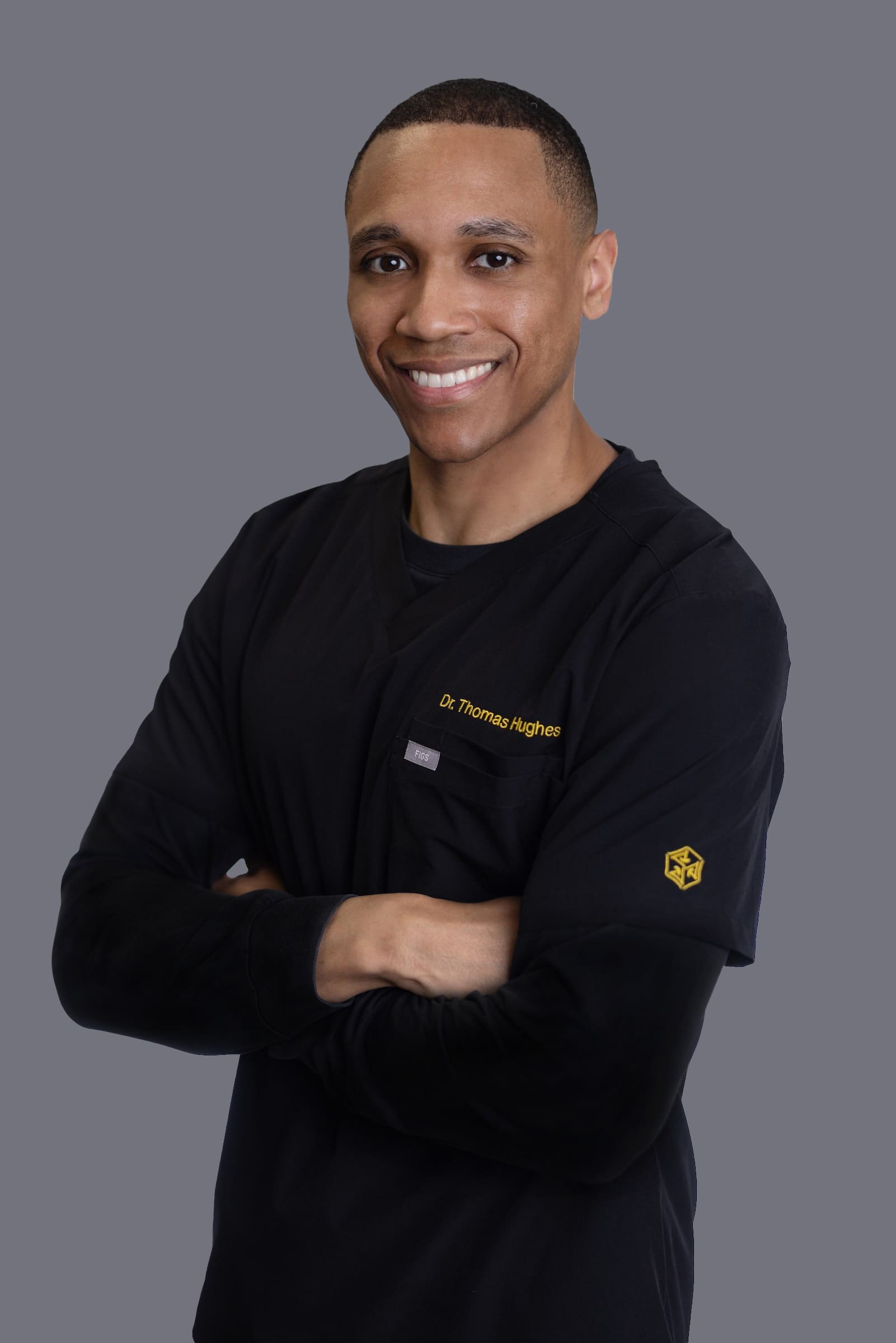
Dr. Thomas Hughes is an adolescent and adult interventional psychiatrist. He is the owner and founder of Seen Medical and NeoPsych in Glendale, CA. He specializes in medication management and Transcranial Magnetic Stimulation for depression, anxiety, OCD, and PTSD.